How do we support pollinators and other wildlife in our gardens?
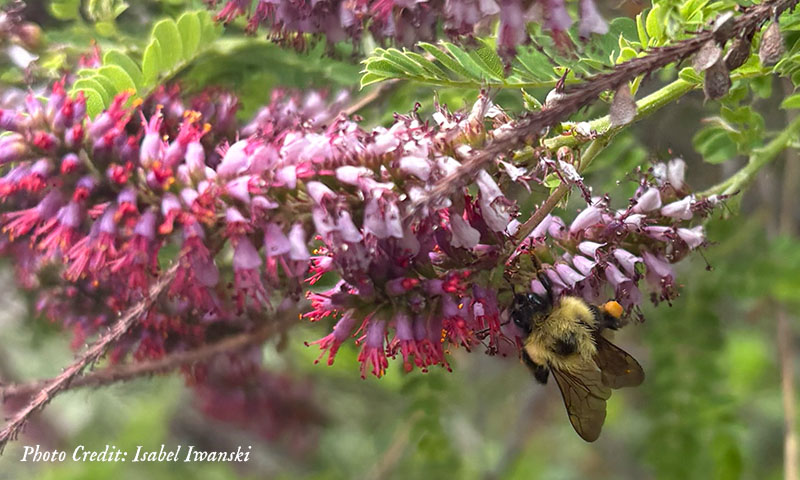
As fall approaches, the leaves begin to fall, the perennials begin to go dormant, and the pollinators start to buckle down for the winter. Here at Blue Spruce Horticulture, we’re dedicated to maintaining your garden in a way that will help make sure the pollinators can thrive, and fall prep work for the winter season is one of the biggest opportunities to make sure these indispensable garden friends stick around for next season.
Why is this one of our priorities?
We’re seeing population decline and species loss across the globe, and we feel it’s of utmost importance to think about how we can make small but mighty adaptations in our mindset and approach. Northern Colorado is a haven for all things outdoors, and we like to think about how we can bring that into our home gardens and landscape…
…and it all starts with the leaves and the way your garden is pruned and maintained.
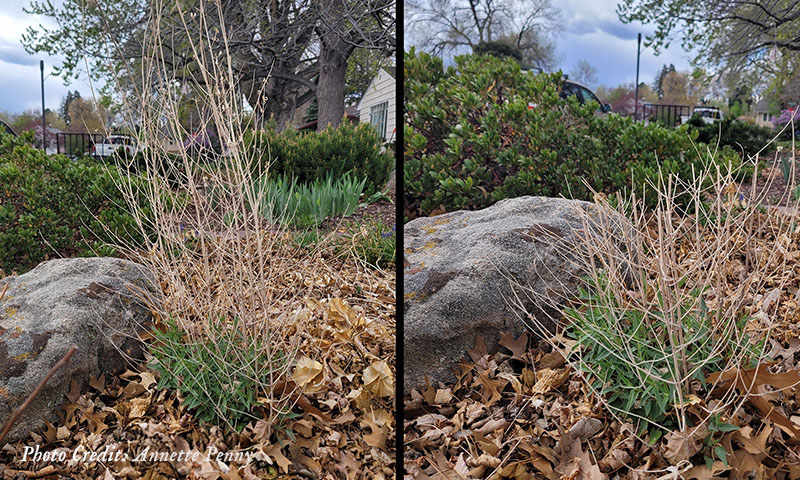
If you didn’t already know, leaves…
- Retain winter moisture in the ground, resulting in lower summer water bills!
- Insulate plant roots from harsh weather
- Feed the microorganisms in the soil that turn minerals in the soil into bioavailable nutrients for your plants
- Provide critical overwintering habitat for butterflies, moths, and solitary bees.
- Can be designated to one part of your property
Leave the Leaves (mostly):
Insects and their larvae are overwintering in the shadows – spooky! Bumblebee queens, butterflies and moth larvae, and other insects like “ladybugs” (or lady beetles aka aphid-eaters!) need this important resource: leaves.
When you invite us to come prepare your garden for the winter, let us know where we can keep leaves on your property – a “back 40” zone, under some shrubs so they don’t blow around, a garden bed you want to naturally fertilize, or that one corner you can’t see from your kitchen window… We’ll come back for these in mid to late spring – or bonus points from us if you add them to your compost bin throughout the seasons! Of course leaves do need to be removed from your lawn so they don’t smother it, and that’s where finding a designated space to leave some leaves over the winter comes into play! Additionally, minimal amounts of leaves in the lawn can be easily shredded via your regular grass cutting service.
Know Your Garden
One thing to note however is that not all plants have the same needs: some may thrive with a moderate layer of leaf mulch (up to 2-3 inches max) while others may suffer. Xeric and rock garden plants grow better with less organic matter, so this is one place you may consider removing most or all leaf debris. Plants like penstemon and others that evolved in a more dryland prairie, steppe, desert, or alpine ecosystem can be prone to rot if left under a heavy layer of organic matter. Perennials that do well with being covered in leaves tend to be of the woodland variety. With all this in mind, it’s important to know where you’re doing a service to your garden by leaving the leaves, and where this practice might be less beneficial.
Confused? Don’t worry, we’ve got your back! Our garden maintenance team knows the ins and outs of your garden’s needs, and if you prefer a more hands-on approach, you can schedule consultation services with us to go over the needs of the different areas of your garden!
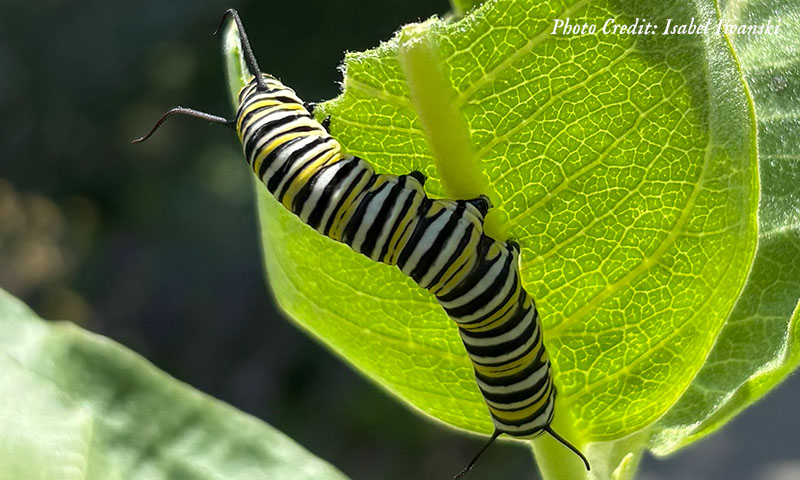
Pollinator Friendly Cutbacks
Dried plant stalks provide nesting cavities and places for insects to lay their eggs. We aim to leave as many as possible to support the next generation of pollinators. A good rule of thumb when deciding what to cut back and when, is to focus on “framing the edges” (cut back tall plants from path and sidewalk edges) in fall, so that nothing flops under the weight of winter snow onto turf and public walkways, blocking accessibility. In spring, many people are tempted to cut back all the dried stalks in their yard, however it is best practice to wait to cut remaining stalks back – to a height of 12-18” – until new green growth is showing and insects have begun to emerge.
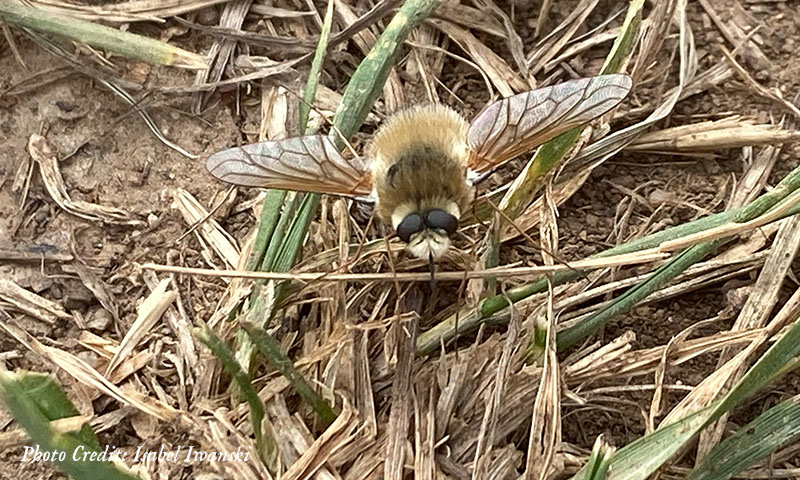
Additionally, when we leave seedheads throughout winter until spring, it provides birds and other wildlife with consistent food sources during the harsher months. If you want your garden bed to really fill in – creating more habitat and colorful blooms, healthier soil, and less space for weed competition – remember to toss any cut seed heads from the fall border framing into open areas where they can soak into the soil under the snow to germinate and sprout up even more new growth in spring.
Of course you’ll want to keep in mind the goals for your garden when tossing seedheads around. Some plants like native rudbeckia, echinacea, and others can take over your garden if seedheads are left season after season. Some people love this dense filled-in look, but if that’s not you, then you can be strategic about where you leave seedheads and where you trim them.
Interested in Supporting Pollinators in your Garden?
Chat with Andrea, our Garden Maintenance manager about making a Pollinator Friendly maintenance plan for your yard today! Contact info below. Want to know more about how to support pollinators in your garden? Check out the Xerces Society’s Guide:
Nesting & Overwintering Habitat for Pollinators & Other Beneficial Insects.
When you book your fall gardening services, be sure to chat with us about how to prioritize supporting your local pollinator’s population success while mitigating garden chores through the winter months.