Our Winter Garden Checklist
Prepare Your Landscape for a Stronger Spring Season

Quality
Guaranteed

Serving
Colorado

Installation
Professionals

Sustainability
Experts

Winter Foundations
Winter in Northern Colorado is a critical season for long term landscape health. While growth slows above ground, roots, soil life, and overwintering insects remain active beneath the surface. A thoughtful winter approach helps protect your investment, reduces stress on plants, and sets the stage for a healthier, more vibrant landscape in spring.
Winter ChecklistNatural Habitats
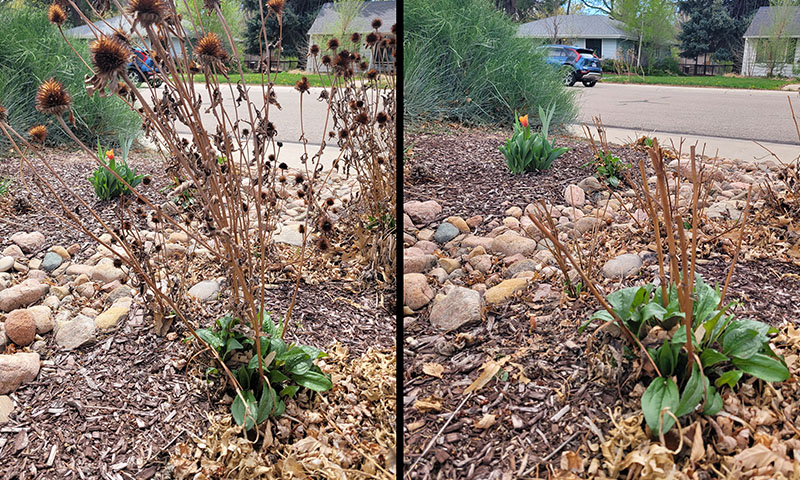
Start by allowing your landscape to retain its natural structure and function. Leave sturdy perennial stems, seed heads, and ornamental grasses standing through winter to provide shelter for native bees and beneficial insects while also serving as a food source for birds. Keep leaf litter in garden beds to insulate soil and support microbial life, and avoid over-cleaning or cutting everything back too early. These small decisions create habitat, improve soil health, and add visual texture to the winter landscape.

Water & Timing
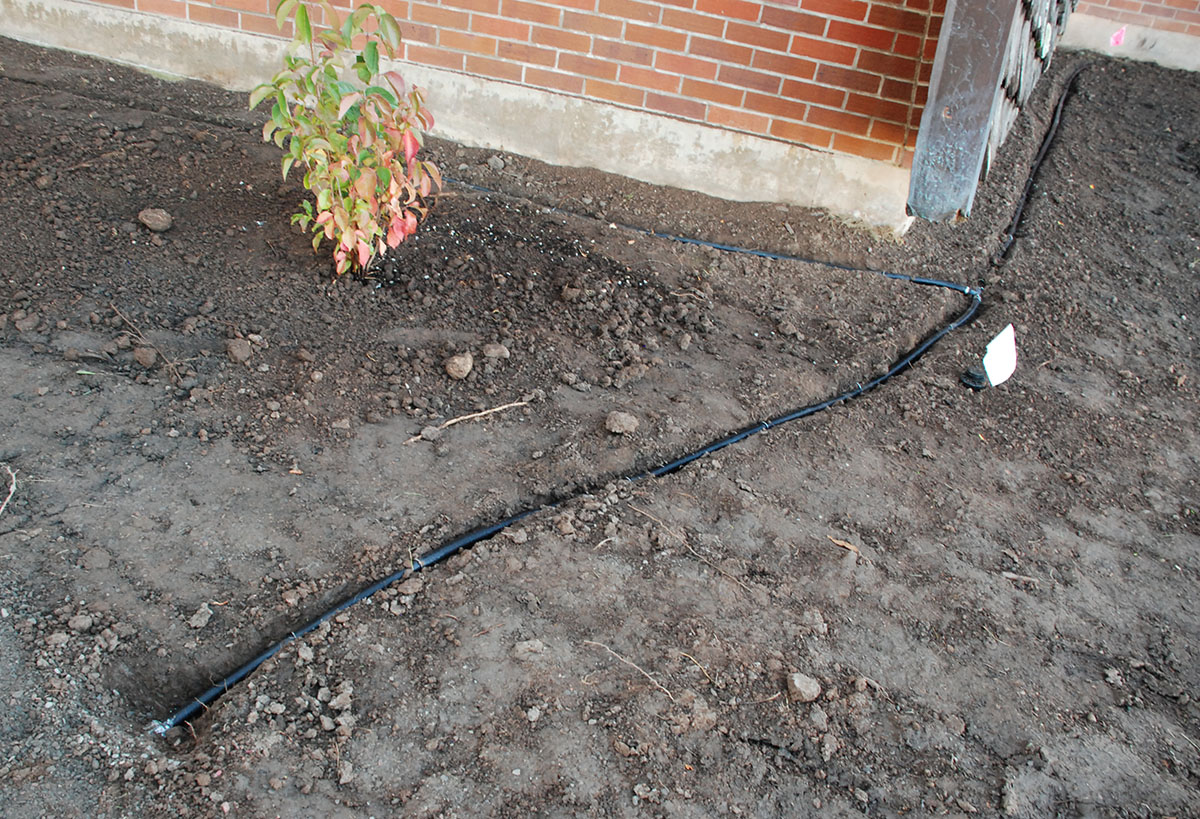
Proper hydration and timing are just as important as what you leave behind. Water deeply before the ground freezes, and continue to water trees and shrubs during warm winter days when the soil is not frozen, especially for newer plantings. Hold off on major pruning until late winter to prevent unnecessary stress, focusing only on removing damaged or diseased material in the meantime. If needed, mark branches for later pruning so winter work is more efficient and intentional.
Future Growth
Finally, use this season as an opportunity to support both future growth and year round beauty. Plant fall bulbs for early spring blooms that provide critical resources for pollinators, and incorporate elements like brush piles, stones, or simple habitats to support wildlife through colder months. A well prepared winter landscape is not dormant or lifeless. It is working quietly, building strength, and preparing for everything that comes next.
Contact Us